Airway management remains one of the most critical skills in emergency medicine. Recent studies show that complications in airway cases frequently stem from communication breakdowns and poor teamwork rather than technical failures alone. Understanding airway cases, assessment tools, and obstruction types helps healthcare teams deliver safer, more effective care.
Understanding Airway Cases in Emergency Medicine
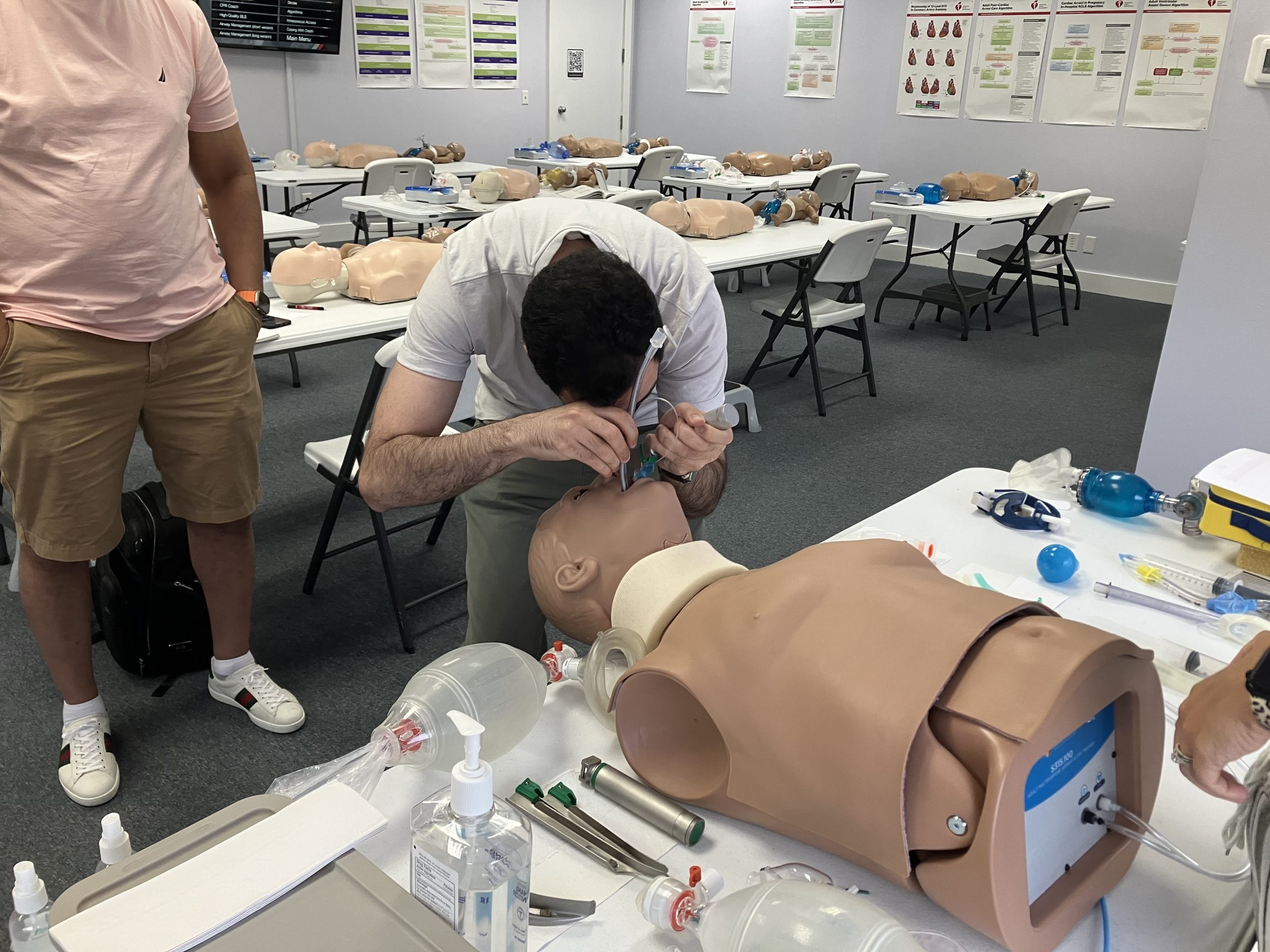
Airway cases refer to clinical situations where healthcare providers must secure, maintain, or restore a patient’s ability to breathe effectively. These scenarios range from routine intubations during surgery to life-threatening emergencies. Research published in 2024 reveals that major complications in airway management are rare but often carry serious consequences when they occur.
Healthcare professionals encounter airway cases across multiple settings. Emergency departments handle trauma patients with facial injuries, operating rooms manage planned intubations, and intensive care units address respiratory failure. Each environment presents unique challenges that demand coordinated team responses.
The complexity of airway cases has increased as medical procedures become more advanced. Teams now face patients with difficult anatomy, obesity, limited mouth opening, and various medical conditions affecting airway access. Success in these situations depends heavily on team coordination and effective communication protocols.
The 3-3-2 Rule for Airway Assessment
The 3-3-2 rule serves as a practical assessment tool for predicting difficult intubations before attempting airway management. This bedside evaluation uses finger measurements to identify anatomical variations that might complicate the procedure. According to the American Society of Anesthesiologists, intubation becomes difficult when it requires more than three attempts or exceeds ten minutes.
How the 3-3-2 Rule Works
The assessment involves three specific measurements. First, providers evaluate whether three fingers fit between the patient’s upper and lower teeth when the mouth opens. This distance indicates adequate oral access for laryngoscope insertion. Second, three fingers should fit between the tip of the mandible and the hyoid bone, assessing the submandibular space. Third, two fingers should fit between the hyoid bone and the thyroid cartilage.
Studies demonstrate that patients who fail the 3-3-2 rule face higher risks during intubation. Research shows this tool effectively predicts difficult airways and helps identify the cricothyroid membrane location. The assessment takes less than fifteen seconds to perform, making it valuable in emergencies.
Healthcare providers combine the 3-3-2 rule with other assessment tools like the Mallampati score and LEMON criteria. This comprehensive approach enhances prediction accuracy and helps teams prepare appropriate equipment and backup plans. Early identification of potential difficulties reduces complications and improves patient outcomes.
Three Types of Airway Obstruction
Airway obstruction can manifest in different forms, each requiring specific management approaches. Understanding these types enables teams to respond appropriately and coordinate interventions effectively.
Upper Airway Obstruction
Upper airway obstruction occurs anywhere from the nose to the vocal cords. This type often presents with inspiratory stridor, a high-pitched whistling sound heard over the neck or upper chest. Common causes include foreign body aspiration, laryngospasm, epiglottitis, peritonsillar abscesses, and anaphylaxis.
Patients with upper airway obstruction typically show increased work of breathing, positioning themselves in a tripod stance, and displaying suprasternal retractions. These obstructions demand immediate attention because complete blockage can lead to hypoxia within minutes. Upper airway issues account for approximately seventy percent of airway obstruction claims in anesthesia.
Lower Airway Obstruction
Lower airway obstruction affects the trachea, bronchi, and bronchioles. This type results from bronchoconstriction, inflammation, mucus accumulation, or airway remodeling. Conditions like asthma, chronic obstructive pulmonary disease, and bronchiolitis cause lower airway obstruction.
Patients with lower airway obstruction present with wheezing, prolonged expiration, and difficulty moving air through narrowed passages. Unlike upper obstruction, these patients can often speak but demonstrate labored breathing and decreased oxygen saturation. Treatment focuses on bronchodilators, corticosteroids, and supporting ventilation.
Partial versus Complete Obstruction
Airway obstructions are further classified by severity. Partial obstruction allows some air movement, enabling patients to cough, breathe, or speak with difficulty. Complete obstruction prevents any airflow, creating a life-threatening emergency requiring immediate intervention.
Complete upper airway obstruction manifests with inability to talk, cough, or breathe, accompanied by apnea and cyanosis. Paradoxical respiration may occur as the chest moves opposite to normal breathing patterns. These situations demand emergency procedures like cricothyroidotomy or tracheostomy when conventional methods fail.
Building Effective Airway Management Teams
Research from 2024 emphasizes that simulation-based team training significantly improves airway management outcomes. A systematic review analyzing twenty-two studies found that training enhances both technical skills and non-technical competencies like communication and teamwork. The study revealed that complications in airway management frequently result from failures in team coordination rather than individual technical deficiencies.
Non-Technical Skills in Airway Cases
The Fourth National Audit Project identified persistent gaps in airway management, including delayed recognition of critical situations, inadequately trained staff, poor communication, and weak team collaboration. Healthcare teams benefit from developing five core competencies: understanding roles and responsibilities, maintaining ethical practice, resolving conflicts effectively, communicating clearly, and fostering collaboration.
Recent evidence shows that multidisciplinary difficult airway teams achieve better clinical outcomes compared to unstructured emergency approaches. Implementation of such teams correlates with higher first-attempt success rates and faster airway securement times. Teams should include anesthesiologists, otolaryngologists, intensivists, nurses, and respiratory care practitioners.
Simulation Training for Team Development
Studies conducted in 2024 demonstrate that simulation-based training improves preparedness for airway management across various healthcare settings. Participants report high satisfaction with escape room-style educational activities, rating them eight or above on a ten-point scale for enhancing real-world performance and organizational teamwork skills.
The effectiveness of simulation training extends beyond technical skill acquisition. Research indicates that healthcare workers show significant improvement immediately after training and maintain enhanced performance six months later. However, skills gradually decline over time, emphasizing the need for regular retraining programs.
Optimizing Equipment and Environment for Airway Teams
A quality improvement project from a rural emergency department reduced equipment acquisition time from three hundred nineteen seconds to under ninety seconds through organized airway carts and standardized procedures. This improvement directly correlates with enhanced provider comfort and better patient outcomes.
Teams should ensure all necessary equipment remains readily available, including videolaryngoscopes, supraglottic devices, bougie introducers, and surgical airway kits. Cognitive aids like the Vortex method and American Society of Anesthesiologists algorithm improve decision-making speed by forty-four seconds and increase procedural success rates.
Enhancing Communication During Airway Emergencies
Effective communication serves as the foundation for successful airway management. Teams benefit from implementing closed-loop communication, where providers confirm received instructions verbally. Role clarity prevents confusion during high-stress situations, ensuring each team member understands their specific responsibilities.
Studies show that establishing a designated airway lead improves institutional protocols, ensures adequate training, maintains proper equipment, and facilitates quality reviews. This leadership structure helps teams navigate complex situations and coordinate responses effectively during airway emergencies.
The COVID-19 pandemic highlighted the critical importance of teamwork in airway management. Research published in 2022 emphasized that establishing teamwork became essential for protecting healthcare workers while managing aerosol-generating procedures. Teams that prioritized collaborative approaches achieved safer outcomes for both patients and providers.
Take Your Airway Skills to the Next Level
Effective airway management demands both technical expertise and exceptional teamwork. Healthcare providers who invest in regular training and practice enhance their ability to handle challenging airway cases safely and efficiently.
Ready to strengthen your emergency response capabilities? CPR Indianapolis offers comprehensive American Heart Association training programs designed for healthcare professionals. Our stress-free, hands-on courses include ACLS certification in Indianapolis and CPR certification in Indianapolis, equipping teams with essential skills for managing critical airway situations.
Don’t wait for an emergency to test your team’s readiness. Contact CPR Indianapolis today to schedule your BLS for Healthcare Providers, ACLS, PALS, or CPR and First Aid certification. Our expert instructors provide practical training that prepares you for real-world airway management challenges. Visit our American Heart Association training site and ensure your team delivers the highest standard of patient care.