When cardiac arrest strikes, every second counts. The quality of cardiopulmonary resuscitation (CPR) directly determines survival outcomes. Recent studies show that survival rates nearly double when rescuers deliver high-quality chest compressions with minimal interruptions. Advanced airways play a critical role in this life-saving process, but they require specific techniques to maximize effectiveness.
Understanding CPR with Advanced Airways
An advanced airway fundamentally changes how healthcare providers deliver CPR. When an advanced airway is in place, rescuers can provide continuous compressions at 100-120 per minute while delivering ventilations independently. This approach represents a significant shift from traditional CPR methods.
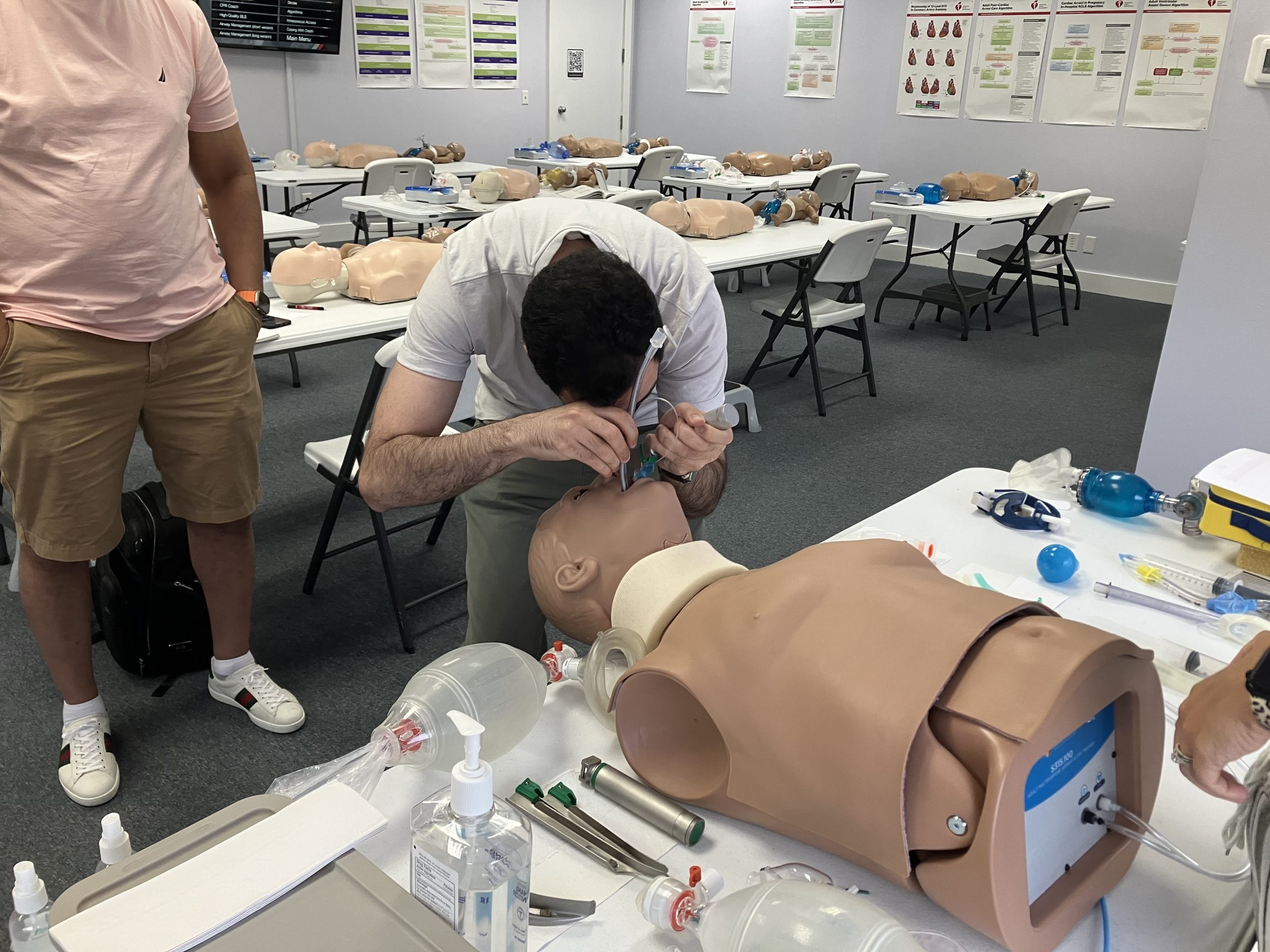
Advanced airways include endotracheal tubes, supraglottic airways, and other devices that secure the airway. Once properly placed, these devices eliminate the need to pause compressions for ventilation. Healthcare professionals verify correct placement through visualization, breath sounds, and end-tidal carbon dioxide monitoring before beginning the modified CPR sequence.
The Science Behind Continuous Compressions
Research demonstrates why continuous compressions matter. Multiple chest compressions in sequence generate adequate coronary perfusion pressure, while interruptions cause inadequate coronary perfusion. Blood pressure drops significantly during even brief pauses, reducing oxygen delivery to the brain and heart.
Studies from the Resuscitation Outcomes Consortium reveal compelling evidence. The duration of the longest interruption in chest compressions has a strong negative association with survival, regardless of the reason for the pause. This finding emphasizes that every interruption matters—not just those related to defibrillation.
How to Perform CPR with an Advanced Airway
Performing CPR with an advanced airway requires coordination between team members. One rescuer focuses solely on chest compressions while another manages ventilations. This division of labor enables both interventions to occur simultaneously without compromising quality.
Compression Technique and Quality
High-quality compressions remain the cornerstone of effective resuscitation. Compressions should be at least 2 inches deep but not greater than 2.4 inches, allowing full chest recoil between compressions. Proper hand placement on the lower half of the sternum ensures optimal force distribution.
Rescuers must maintain consistent depth and rate throughout the resuscitation. Fatigue diminishes compression quality, making team member rotation every two minutes essential. Each switch should occur in less than five seconds to minimize interruptions.
Ventilation Management with Advanced Airways
With an advanced airway, rescue breaths are administered independently of chest compressions at approximately one breath every six seconds. This translates to 10 breaths per minute. Ventilations should produce a visible chest rise without excessive volume or pressure.
The 2025 American Heart Association Guidelines clarify terminology. Healthcare professionals now use “ventilations” when providing assisted breathing through mechanical devices like bag-mask devices or advanced airways. This standardization improves communication during emergencies.
When an Advanced Airway Is in Place: Compression Rates
When an advanced airway is in place, chest compressions should be provided at a rate of 100-120 per minute. This rate remains unchanged from standard CPR but applies continuously without pauses for ventilation. The advanced airway allows rescuers to maintain this critical compression rate without interruption.
Maintaining 100-120 compressions per minute optimizes cardiac output. Compressions slower than 100 per minute reduce blood flow, while rates exceeding 120 per minute may not allow adequate chest recoil. Consistent rate maintenance requires focused attention and often benefits from metronome guidance or feedback devices.
Strategies to Minimize CPR Interruptions with Advanced Airways
Recent research from 2024 provides clear guidance on reducing interruptions. The median duration of chest compression interruptions increases as the number of interventions performed during that interruption increases. This finding suggests a practical solution: limit the number of tasks performed during any single pause.
Pre-Planning and Team Coordination
Effective teams minimize interruptions through preparation. Before placing an advanced airway, the team should have all equipment ready and roles assigned. One study showed that interruption duration was shortest when performed later in the resuscitation, suggesting teams improve coordination with practice.
Teams should establish clear communication protocols. The compression provider announces when fatigue sets in, allowing seamless transitions. The ventilation provider monitors chest rise and capnography readings without interrupting the compression rhythm.
Specific Techniques for Interruption Reduction
Several evidence-based strategies reduce unnecessary pauses:
Continuous Compression Philosophy: Once the advanced airway is confirmed, compressions never stop for ventilations. The 30:2 cycle no longer applies. Teams must mentally shift from cyclical CPR to continuous compression CPR.
Limit Pulse Checks: Healthcare providers should interrupt chest compressions as infrequently as possible and try to limit interruptions to no longer than 10 seconds. Pulse checks should occur only after rhythm analysis or at two-minute intervals.
Streamlined Defibrillation: Modern protocols emphasize minimizing peri-shock pauses. Teams should prepare for defibrillation while compressions continue, pausing only for the brief moment needed to clear the patient and deliver the shock.
Efficient Airway Management: While securing the advanced airway requires a pause, proper preparation minimizes this interruption. Having the correct equipment size, functional suction, and trained personnel ready ensures swift placement.
Monitoring CPR Quality with Advanced Airways
Real-time feedback devices provide valuable data on compression quality. These tools measure depth, rate, recoil, and importantly, compression fraction—the percentage of time during cardiac arrest when compressions occur. Target compression fractions exceed 80%.
When chest compressions are performed at insufficient depth, survival-to-discharge rates after out-of-hospital cardiac arrest decrease significantly. Similarly, compressions delivered too slowly reduce return of spontaneous circulation rates. Feedback devices help teams maintain standards consistently.
The Impact of High-Quality CPR with Advanced Airways
Evidence strongly supports the life-saving potential of optimized CPR techniques. Survival rates from out-of-hospital sudden cardiac arrest almost doubled when professional rescuers using CPR gave better chest compressions and minimized interruptions. This dramatic improvement resulted from protocol changes prioritizing compression quality and continuity.
The 2024 International Consensus on Cardiopulmonary Resuscitation emphasizes minimizing delays to CPR initiation. The task force considered the importance of high-quality chest compressions and minimizing delays to the initiation of CPR. Every decision during resuscitation should weigh potential benefits against the cost of interrupting compressions.
Advanced airways facilitate this approach by eliminating the most common reason for pauses—the need to deliver rescue breaths. Healthcare providers can focus on maintaining excellent compression quality while ventilations occur independently.
Training and Competency in CPR with Advanced Airway
Proficiency requires hands-on practice and regular skills maintenance. Simulation studies show that rescuers improve with repetition, particularly in coordinating compressions and ventilations with advanced airways. Training should emphasize team dynamics, communication, and the seamless integration of all resuscitation components.
Healthcare providers must understand not just the mechanics but the rationale. Knowing why continuous compressions matter motivates teams to maintain standards even during chaotic resuscitations. Regular debriefing sessions help teams identify areas for improvement and reinforce best practices.
Take Action: Get Certified Today
Mastering CPR with advanced airways requires proper training and certification. Whether you need initial certification or renewal, quality education makes the difference in emergencies.
CPR Columbus, an American Heart Association training site, offers comprehensive certification courses, including BLS for Healthcare Providers, ACLS, PALS, and CPR and First Aid. All classes are stress-free, hands-on, and taught by experienced instructors who understand real-world emergency medicine.
Ready to enhance your life-saving skills? Visit CPR Columbus for CPR certification in Columbus and ACLS certification in Columbus. Our expert-led courses ensure you’re prepared to deliver high-quality CPR with confidence, whether managing basic life support or advanced resuscitation scenarios.
Don’t wait until an emergency happens. Get certified today and join the community of healthcare professionals committed to saving lives through excellence in resuscitation care.