Every year, sudden cardiac arrest claims approximately 350,000 lives across the United States. When someone collapses from cardiac arrest, their survival depends on immediate action. Understanding which heart rhythms respond to automated external defibrillators can mean the difference between life and death.
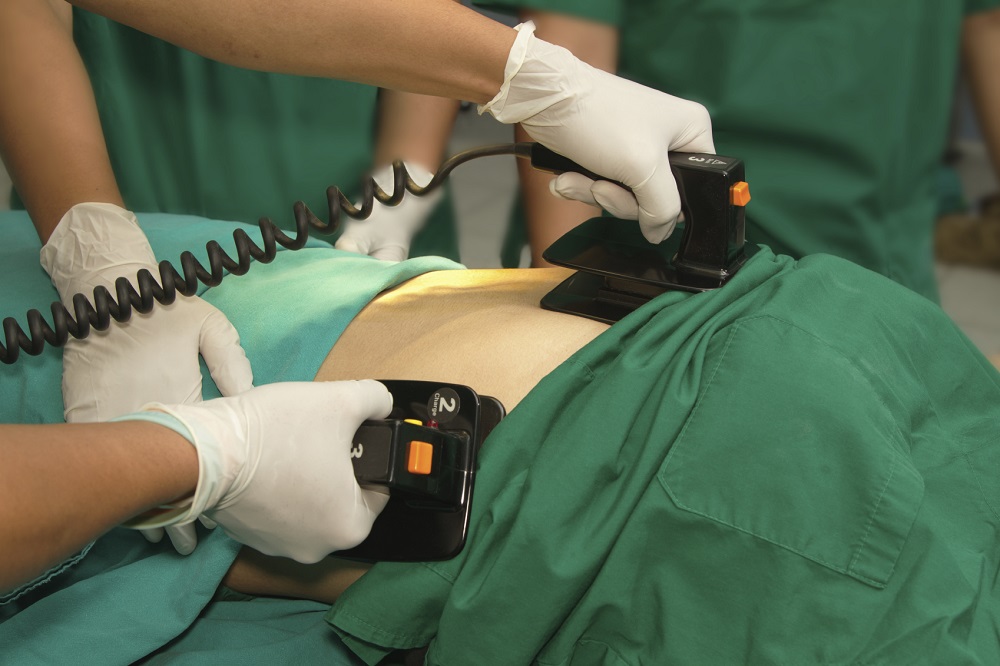
Understanding Shockable Rhythms with AEDs
An automated external defibrillator works by analyzing the heart’s electrical activity. The device determines whether delivering an electrical shock will help restore normal heart function. However, not all cardiac arrest rhythms benefit from defibrillation.
What Rhythms Are Shockable with an AED?
AEDs detect and treat two specific life-threatening rhythms: ventricular fibrillation and pulseless ventricular tachycardia. These shockable rhythms represent cardiac emergencies where the heart’s electrical system has malfunctioned.
Ventricular Fibrillation (VF) occurs when the heart’s lower chambers quiver chaotically instead of pumping blood. This condition is the leading cause of sudden cardiac death, often developing during or shortly after a heart attack. On an ECG monitor, VF appears as irregular, wavy lines without organized beats.
Pulseless Ventricular Tachycardia (VT) happens when the heart beats dangerously fast—usually over 100 times per minute. This rhythm appears wide, regular, and very rapid on the monitor, and patients typically present without a pulse. The excessive speed prevents effective blood circulation throughout the body.
Both rhythms disrupt the heart’s ability to pump blood to vital organs. Without intervention, brain damage begins within minutes. An AED delivers controlled electrical energy to reset the heart’s natural pacemaker, giving it a chance to resume normal beating.
Can You Use an AED on Asystole?
No, an AED will not deliver a shock when it detects asystole, which represents the complete absence of electrical activity in the heart. When the device analyzes the rhythm and displays “No Shock Advised,” this doesn’t necessarily mean the person has recovered. Instead, the heart may be in asystole or experiencing pulseless electrical activity.
Non-Shockable Rhythms and AEDs
Asystole represents a flatline on the monitor. This rhythm can develop from untreated ventricular tachycardia or ventricular fibrillation. Defibrillation cannot restart a heart with no electrical activity. CPR becomes the primary intervention.
Pulseless Electrical Activity (PEA) shows organized electrical signals on the monitor, but the heart muscle isn’t contracting effectively. The electrical activity is too weak to pump blood throughout the body. Like asystole, PEA requires immediate CPR rather than defibrillation.
When an AED indicates no shock is advised, rescuers must continue high-quality chest compressions. Effective CPR can improve blood flow to the heart and sometimes convert fine ventricular fibrillation into a more recognizable shockable rhythm.
Early Defibrillation: The Critical Window for Survival
Time determines survival in cardiac arrest. After 10 minutes without defibrillation, very few resuscitation attempts succeed, with survival rates dropping to 0% to 2%. Every minute counts.
The Evidence for Rapid Response
When defibrillation occurs within 3 to 5 minutes of collapse, survival rates can exceed 50%. Research demonstrates dramatic improvements when communities implement early defibrillation programs.
One study of 200 patients showed that 42% survived to hospital discharge when they received early defibrillation, with 40% maintaining normal neurological function. These outcomes represent a stark contrast to communities without accessible AEDs.
A groundbreaking program using trained volunteers with AEDs tripled the survival rate for out-of-hospital sudden cardiac arrest. The key factor was reducing response time by getting defibrillators to patients faster.
Why Immediate Action Matters
Ventricular fibrillation deteriorates into asystole as time passes, closing the window for successful defibrillation. A shockable rhythm won’t remain shockable indefinitely. This progression explains why bystander intervention with AEDs saves lives.
Laboratory studies show that defibrillation success reaches nearly 100% immediately after ventricular fibrillation begins, but drops to 80-90% after just 60 seconds. After 20 minutes of sustained VF, restoring an effective rhythm becomes extremely rare.
Recognizing When AEDs Make the Difference
Modern AEDs feature sophisticated algorithms that analyze heart rhythms with remarkable accuracy. These devices demonstrate 98% sensitivity and 100% specificity in detecting life-threatening rhythms like ventricular fibrillation and rapid ventricular tachycardia.
The device handles the complex decision-making. Rescuers simply need to apply the electrode pads and follow voice prompts. The AED automatically determines whether the heart rhythm is shockable.
The Chain of Survival Components
Successful resuscitation requires multiple elements working together. Early recognition of cardiac arrest starts the process. Immediate CPR maintains blood flow to the brain and vital organs. Early defibrillation addresses shockable rhythms. Advanced medical care and post-resuscitation treatment complete the chain.
Public access defibrillation programs place AEDs in areas where cardiac arrests commonly occur. Airports, schools, shopping centers, and sports facilities benefit from strategically positioned devices. These locations provide trained personnel and accessible equipment when emergencies strike.
The Ongoing Impact of AED Accessibility
Communities continue expanding AED availability. Mobile applications now alert CPR-trained volunteers to nearby cardiac arrests and direct them to the closest public AED. Drone technology shows promise for delivering defibrillators to remote or residential areas where traditional emergency response takes longer.
Statistics show that 59% of cardiac arrests occur in private residences, yet survival rates are significantly higher when AEDs are used in public areas. This disparity highlights the importance of rapid access to defibrillation equipment.
The evidence remains clear: early defibrillation saves lives. Understanding which rhythms respond to AED therapy—and which do not—helps responders make informed decisions during critical moments. Whether a heart shows ventricular fibrillation, ventricular tachycardia, asystole, or pulseless electrical activity, the priority remains the same: call 911 and start CPR immediately.
Take Action: Get Certified in Life-Saving Skills
Knowing how to respond during cardiac emergencies requires proper training. CPR Nashville, an American Heart Association training site, offers comprehensive certification courses designed to prepare you for real-world emergencies.
Our stress-free, hands-on classes cover BLS for Healthcare Providers, ACLS, PALS, and CPR and First Aid. Whether you need initial certification or renewal, our expert instructors provide the skills you need to act confidently when every second counts.
Don’t wait until an emergency happens. Enroll in CPR certification in Nashville or ACLS certification in Nashville today. Visit CPR Nashville to learn more about our course schedules and become someone who can make a difference when it matters most.