When your heart’s natural rhythm falters, a pacemaker can restore the steady beat that keeps you alive and active. According to the American Heart Association, approximately 3 million Americans have permanent pacemakers, with 600,000 new implantations performed annually. This tiny device represents a lifeline for millions of people worldwide dealing with serious heart rhythm disorders.
What Is a Pacemaker?
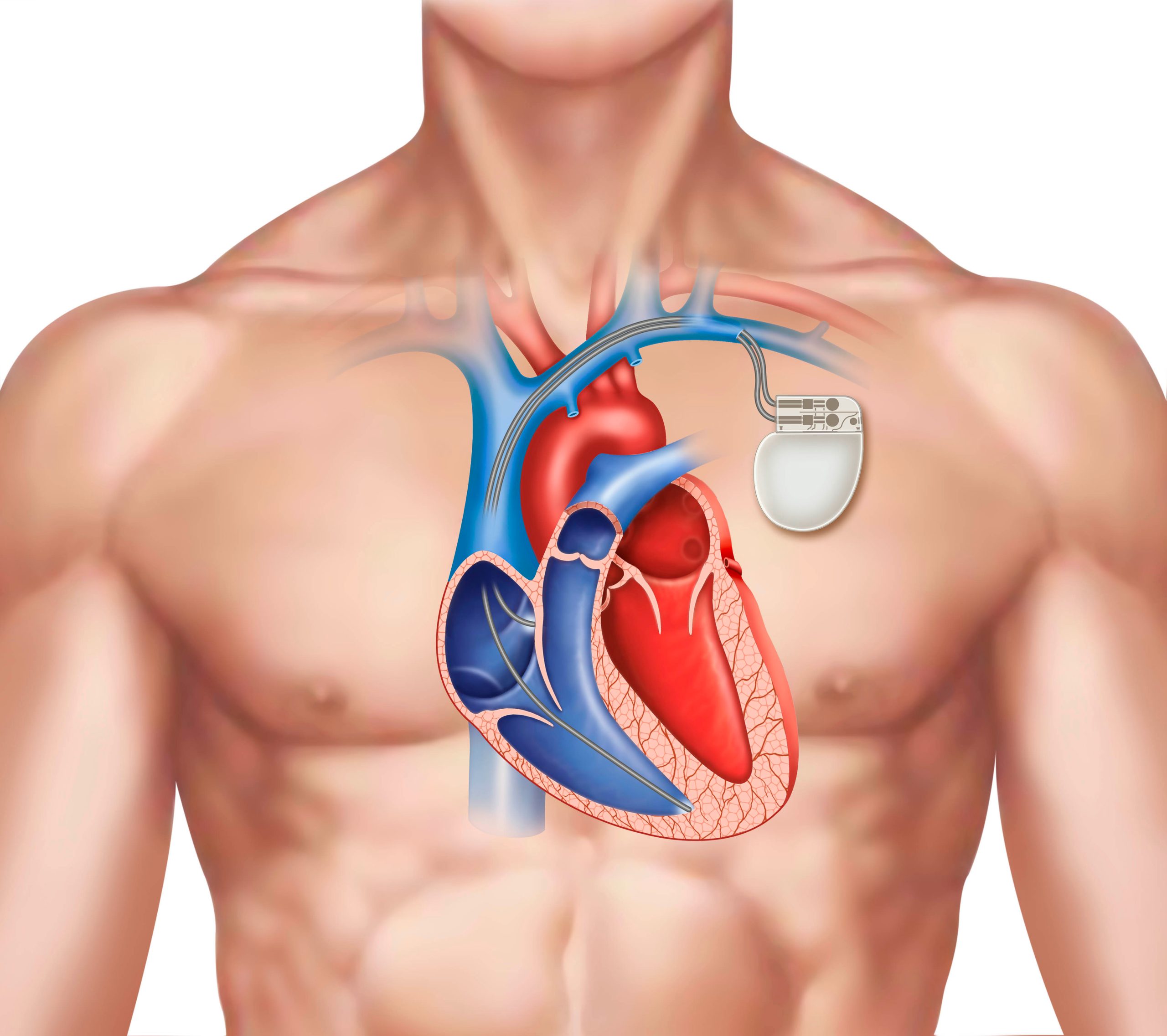
A pacemaker is a small, battery-powered medical device that regulates abnormal heart rhythms. This compact unit weighs less than one ounce and monitors your heart’s electrical activity constantly. When it detects irregular beating, it delivers electrical impulses to restore a normal rhythm.
The device consists of two main components: a pulse generator containing the battery and computer circuits, plus thin wires called leads that connect to your heart. Modern pacemakers feature advanced sensors that detect changes in heart rate and adjust pacing automatically based on your activity level.
What Exactly Does a Pacemaker Do?
Your heart relies on electrical signals to maintain its pumping action. The sinoatrial node, often called your heart’s natural pacemaker, generates these signals in healthy individuals. When this system malfunctions, an artificial pacemaker steps in to regulate the heartbeat.
The pacemaker continuously monitors your heart’s electrical activity. When it senses that your heart is beating too slowly or irregularly, it sends carefully timed electrical pulses through the leads to your heart muscle. These impulses prompt the heart to contract and beat at an appropriate rate.
At rest, a healthy heart typically beats 50 to 70 times per minute, with the rate increasing two to three times during stress or exercise. The pacemaker ensures your heart maintains adequate blood flow to your brain and body, adjusting its function based on your physical demands throughout the day.
Signs You Need a Pacemaker
Recognizing the warning signs that indicate you might need a pacemaker is crucial for timely intervention. Several symptoms suggest your heart’s electrical system requires assistance:
Persistent Bradycardia Symptoms
People suffering from symptomatic bradycardia can present with dizziness, confusion, palpitations, breathlessness, exercise intolerance, and syncope (blackout or fainting). If you experience these symptoms regularly, especially during normal activities, you should consult a cardiologist.
Fatigue and Weakness
An overwhelming sense of exhaustion that makes even simple daily tasks difficult can signal inadequate heart function. When your heart beats too slowly, your body and organs don’t receive enough oxygen-rich blood.
Fainting Spells
Syncope, or fainting episodes, occurs when your brain temporarily doesn’t receive sufficient blood flow. This can happen if your heart rate drops too low or if it pauses between beats.
Chest Discomfort
Experiencing chest pain, pressure, or palpitations where you feel your heart “flip-flopping” or pounding may indicate rhythm problems requiring evaluation.
Shortness of Breath
Difficulty breathing during routine activities or at rest can signal that your heart isn’t pumping efficiently due to rhythm disturbances.
Why Would a Person Require a Pacemaker?
Several cardiac conditions may necessitate pacemaker implantation. Understanding these conditions helps explain why pacemakers remain essential treatment options.
Bradycardia
Bradycardia describes a heart rate slower than 60 beats per minute. While some athletes naturally have slow resting heart rates, pathological bradycardia results from malfunctions in the heart’s electrical system. This condition prevents adequate blood flow and causes debilitating symptoms.
Sick Sinus Syndrome
Sick sinus syndrome is caused by dysfunction of the sinus node, the heart’s natural pacemaker, and covers a spectrum of arrhythmias with different underlying mechanisms, manifested as bradycardia, tachycardia (fast heart rate) or a mix of the two. This disorder most commonly affects older adults and often worsens over time.
Heart Block
Heart block occurs when electrical signals traveling from the upper chambers (atria) to the lower chambers (ventricles) are delayed or completely blocked. Complete heart block represents a serious condition where the atria and ventricles beat independently, requiring pacemaker intervention.
Atrial Fibrillation
Atrial fibrillation, the leading form of arrhythmia, is expected to impact around 12.1 million individuals in the United States by 2030. Some patients with atrial fibrillation develop dangerously slow heart rates, particularly those taking medications to control rapid heartbeats.
Congenital Heart Disease
Individuals born with structural heart abnormalities may develop electrical conduction problems later in life. These issues can emerge decades after birth, manifesting as arrhythmias and heart rhythm disorders requiring pacemaker therapy.
Post-Heart Attack
Heart attacks can damage the heart’s electrical system, leading to conduction problems. Patients who develop severe arrhythmias following a heart attack may need permanent pacemaker implantation.
How Serious Is Getting a Pacemaker?
The prospect of pacemaker implantation understandably causes anxiety, but modern procedures have become remarkably safe and effective.
The Implantation Procedure
Pacemaker surgery typically takes one to two hours and uses local anesthesia with sedation. You remain awake but relaxed during the procedure. The surgeon makes a small incision below your collarbone, threads the leads through a vein to your heart under X-ray guidance, and places the generator beneath your skin.
In a Danish nationwide cohort study of 28,860 patients, the overall incidence of pneumothorax requiring chest tube drainage was 0.66%. This data demonstrates that serious complications remain rare with experienced operators.
Recovery Timeline
Most patients go home the same day or within 24 hours after implantation. Complete healing typically occurs within four to six weeks. During recovery, you’ll need to avoid heavy lifting (anything over 10 pounds) and refrain from raising your arm above shoulder level on the implantation side for several weeks.
Potential Complications
While pacemaker implantation is generally safe, potential complications include:
- Infection at the implantation site (occurring in approximately 1-2% of cases)
- Lead displacement or damage
- Bleeding or hematoma formation
- Pneumothorax (collapsed lung)
- Blood clots
- Allergic reactions to medications or device materials
Major complications occurred in 4.0% of patients undergoing generator replacement without lead additions. Your healthcare team takes extensive precautions to minimize these risks through proper sterile technique and antibiotic prophylaxis.
Living with a Pacemaker
Modern pacemakers are designed for durability and longevity. A pacemaker battery usually lasts 5 to 7 years, depending on how often it’s used, with some lasting as long as 15 years. Regular check-ups every three to six months ensure optimal device function and allow your doctor to monitor battery life.
Most daily activities resume normally after recovery. However, you should:
- Carry your pacemaker identification card always
- Inform healthcare providers about your device before any procedures
- Avoid strong magnetic fields
- Keep cell phones at least six inches from your pacemaker
- Check with your doctor before airport security screening
Quality of Life Improvements
The benefits of pacemaker therapy far outweigh the risks for appropriate candidates. Patients typically experience:
- Relief from debilitating symptoms like fatigue and dizziness
- Improved exercise tolerance and physical capacity
- Reduced risk of fainting and injury from syncope
- Prevention of life-threatening complications
- Enhanced overall quality of life
In November 2024, findings presented at the American Heart Association’s Scientific Sessions showed that refurbished pacemakers perform comparably to new ones in terms of safety and effectiveness. This research offers hope for expanding access to pacemaker therapy in resource-limited settings worldwide.
Advances in Pacemaker Technology
The cardiac pacemaker industry continues evolving with remarkable innovations. The global pacemakers market was valued at USD 5.7 billion in 2024 and is expected to grow from USD 5.9 billion in 2025 to USD 9 billion in 2034. This growth reflects increasing demand and technological advancement.
Leadless pacemakers represent a breakthrough. These miniature devices, about the size of a large vitamin, are implanted directly inside the heart without requiring leads. In February 2024, UC San Diego Health became the first health system in San Diego to implant the innovative dual-chamber leadless pacemaker system for treating arrhythmias, which received FDA approval in July 2023.
Additional innovations include MRI-compatible devices, remote monitoring capabilities allowing physicians to check device function from anywhere, and artificial intelligence integration for improved arrhythmia detection.
Take Control of Your Heart Health Today
Understanding pacemakers and recognizing when you might need one empowers you to take charge of your cardiovascular health. If you experience symptoms like persistent fatigue, dizziness, fainting, or irregular heartbeats, don’t wait—schedule a comprehensive cardiac evaluation immediately.
The skilled professionals at CPR St. Louis are here to support your journey to better heart health. As an American Heart Association training site, we offer initial certifications and renewal courses in BLS for Healthcare Providers, ACLS, PALS, and CPR and First Aid. Our stress-free, hands-on classes prepare you to respond effectively in cardiac emergencies.
Whether you need CPR certification in St. Louis or ACLS certification in St. Louis, our expert instructors provide the knowledge and confidence you need to save lives. Contact CPR St. Louis today to learn how proper training can make the difference in cardiac emergencies—for yourself and those you care about.